Cricket biomechanics applies scientific principles understanding movement efficiency, injury prevention, and performance optimization. This specialized field reveals cricket’s physical complexity while providing practical applications improving technique and longevity.
Bowling Action Analysis
Fast bowling represents cricket’s most biomechanically complex movement involving coordinated full-body action generating ball velocity. Kinetic chain efficiency transfers energy from ground contact through legs, trunk, and arm into ball release. Optimal coordination maximizes speed while minimizing injury risk.
Front foot landing creates massive ground reaction forces stressing lower limbs and spine. Eccentric muscle loading during landing phase requires exceptional strength preventing injury. Understanding these mechanical stresses informs conditioning programs building injury resistance.
Batting Technique Mechanics
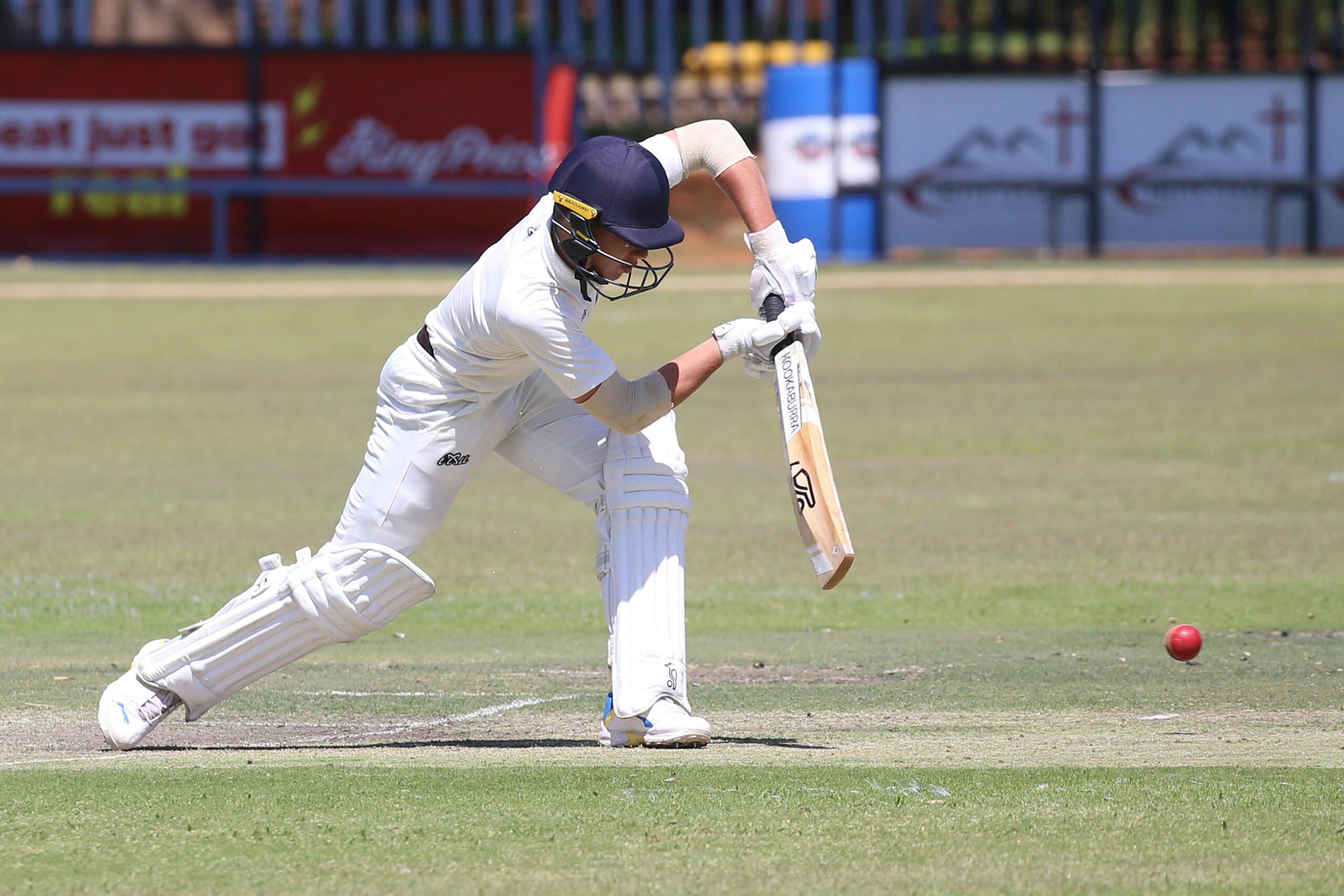
Effective batting combines balance, timing, and coordinated movement transferring bat momentum into ball. Weight transfer from back foot to front foot generates power while maintaining control. This coordinated movement requires precise timing and neuromuscular control.
Bat swing mechanics involve complex trunk rotation and arm extension patterns. Optimal swing planes maximize contact quality while generating power. Video analysis reveals individual mechanical patterns identifying improvement opportunities.
Throwing Biomechanics
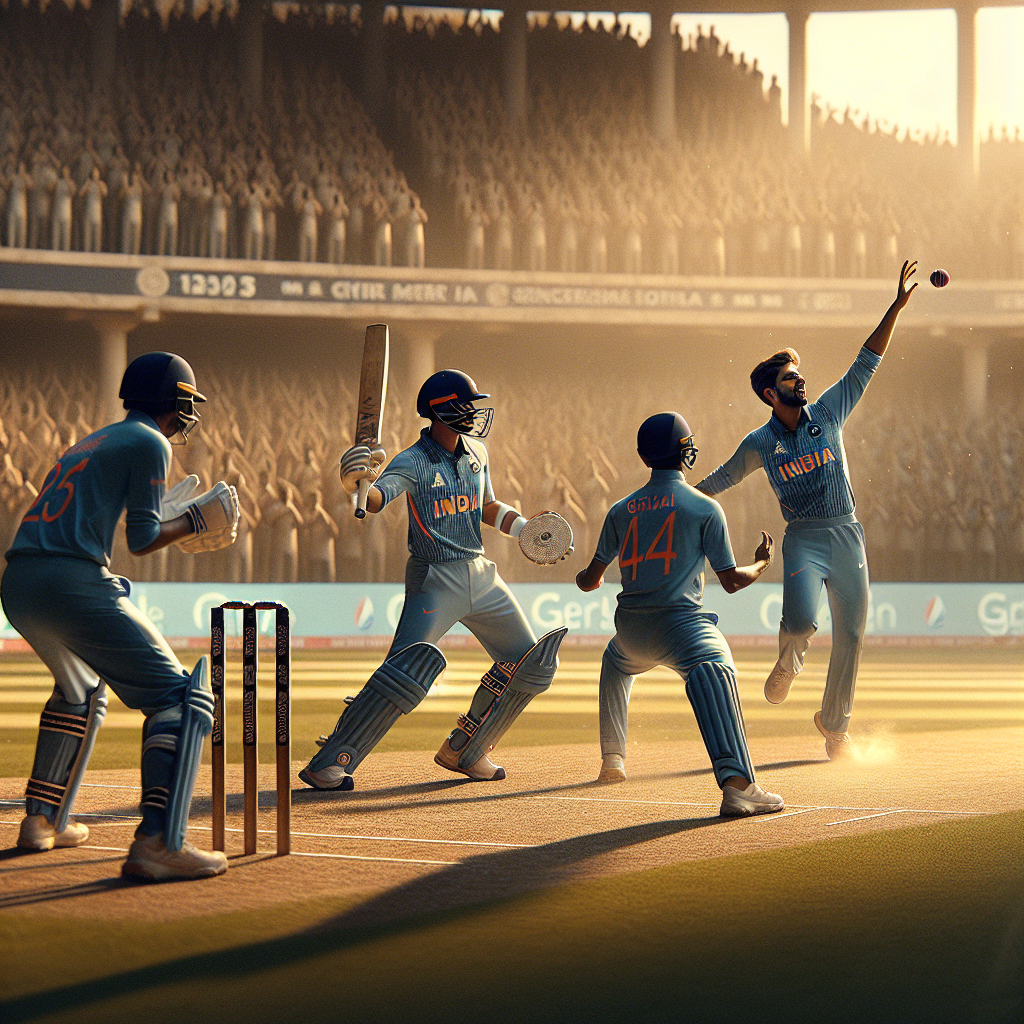
Cricket throwing involves complex shoulder and elbow coordination producing velocity and accuracy. Proper throwing mechanics reduce injury risk while maximizing performance. However, repetitive throwing creates overuse injury vulnerability requiring workload management.
Direct hits executing run-outs require throwing accuracy under pressure. Biomechanical consistency enables reliable accuracy crucial for fielding excellence. Training programs develop consistent throwing mechanics through repetition and feedback.
Running Between Wickets
Efficient running mechanics maximize speed while enabling quick direction changes. Proper acceleration technique and turning mechanics prevent hamstring injuries common among cricketers. Sprint training develops mechanical efficiency and injury resistance.
Equipment including bats and pads affects running mechanics and speed. Lightweight equipment enables quicker movement though must balance against protection requirements. This trade-off influences equipment selection particularly for aggressive runners.
Wicket-Keeping Movement
Keeping requires explosive lateral movements and quick reflexes demanding specific biomechanical capabilities. Maintaining low stances throughout innings stresses quadriceps and lower back. Strength training specific to keeping positions prevents fatigue and injury.
Glove technique involves soft hands absorbing ball impact preventing rebounds. This technical skill combines with proper positioning enabling clean collections. Biomechanical analysis optimizes keeping technique reducing physical stress.
Injury Mechanism Understanding
Biomechanical analysis identifies injury mechanisms informing prevention strategies. Understanding how injuries occur enables technical corrections and conditioning programs reducing vulnerability. This scientific approach improves injury prevention effectiveness.
Common cricket injuries including side strains, shoulder problems, and back stress typically result from biomechanical inefficiencies. Correcting movement patterns through coaching and conditioning prevents recurring injuries. This preventive focus protects career longevity.
Performance Optimization
Biomechanical efficiency enables higher performance with less energy expenditure. Optimized movements reduce fatigue while maintaining output quality. This efficiency becomes crucial during extended matches and compressed schedules.
However, technical changes require extensive practice developing new motor patterns. Rushed biomechanical modifications risk performance decline and injury. Patient, systematic technical development produces sustainable improvements.
Technology Applications
High-speed cameras and motion capture systems enable detailed biomechanical analysis previously impossible. These technologies reveal movement nuances invisible to naked eye observation. Contemporary coaching extensively utilizes biomechanical technology.
Wearable sensors provide real-time biomechanical feedback during training and matches. This immediate data enables quick adjustments optimizing technique and preventing fatigue-related breakdowns. Technology integration represents modern cricket coaching evolution.
Individual Variation
Biomechanical ideals must accommodate individual physical differences including height, flexibility, and strength. Cookie-cutter technical prescriptions ignore individual variation potentially causing injury or performance decline. Personalized approaches optimize individual potential.
Some successful players feature unorthodox techniques violating biomechanical principles yet achieving effectiveness. Understanding why unusual techniques succeed informs coaching avoiding unnecessary technical changes. This nuanced approach respects individual effectiveness.
Youth Development Considerations
Youth biomechanical development requires age-appropriate training respecting physical immaturity. Excessive loading during growth periods creates injury vulnerability. Evidence-based youth development protects long-term health while building skills.
Teaching proper mechanics early prevents bad habits requiring difficult corrections later. However, excessive technical focus risks stifling natural movement patterns and enjoyment. Balancing technical instruction against natural development represents coaching challenge.
Conclusion
Cricket biomechanics provides scientific framework understanding movement efficiency, injury prevention, and performance optimization. This specialized knowledge informs coaching, conditioning, and technical development creating more effective and durable cricketers. As biomechanical understanding advances, cricket technique and training continue evolving producing increasingly efficient and healthy performers maximizing their physical potential.