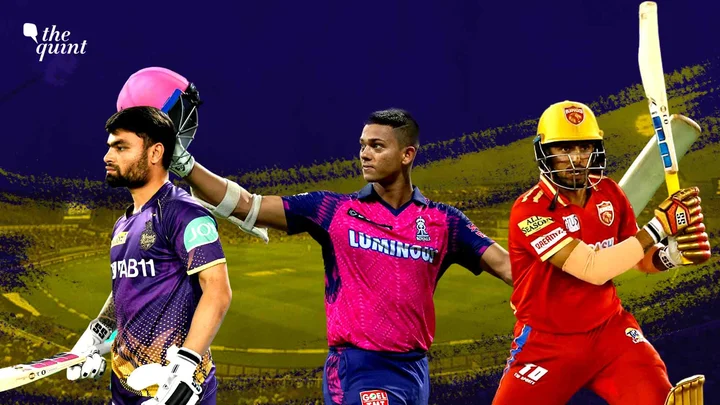
Indian cricket is undergoing a vibrant transformation as a fresh generation of players emerges from domestic circuits and franchise leagues. These young talents bring a mix of raw skill, modern technique, and fearless intent that is reshaping expectations at every level. From standout performances in the Ranji Trophy and Syed Mushtaq Ali Trophy to eye-catching displays in the Indian Premier League, their progress signals a deepening pool of options for national selectors. Observers are beginning to notice patterns: greater batting versatility, inventive spin options, and pace bowlers with improved control and variations. This article spotlights several promising names, explores their backgrounds and playing styles, and considers how they might influence the future of Indian cricket.
Rising Batting Stars
One of the most striking developments has been the rise of versatile young batters who adapt across formats. Players who made a name for themselves with aggressive T20 innings have also developed patience and technique for longer formats. Their ability to play spin with soft hands and to innovate against pace in the powerplay gives India tactical flexibility. Many began in age-group cricket, progressed through state teams, and benefited from specialized coaching academies. Coaches emphasize physical conditioning, data-driven analysis, and scenario-based practice, producing players more prepared for international demands. As a result, India can look forward to a top order with depth, middle-order finishers with composure, and wicketkeeper-batsmen who can balance defense and attack.
New Generation of Bowlers
The bowling unit has also seen noteworthy additions, with pace bowlers combining speed and cunning while young spinners bring tactical nuance. Several pacers have added reverse swing and deceptive slower balls to complement raw pace, while others focus on consistent lengths to exploit early movement. Young spinners, trained to vary flight and pace, offer both attacking and containing options. Their success in domestic red-ball competitions hints at potential for Test cricket, while strong performances in limited overs showcase adaptability. Strengthening bowling depth reduces dependency on a few stars and allows rotation to manage workloads. Selectors now have candidates for all conditions — seamers for swinging tracks, cutters for subcontinental pitches, and wrist spinners who can turn matches on their heads.
Standout Emerging Players
1. The Dynamic Opener
A dynamic right-handed opener has transformed the blunt edge of quick scoring into consistent starts. Quick footwork against spin and the ability to hit through the line in the powerplay made him a T20 sensation, while steady defensive work in domestic red-ball matches suggests he can adapt to the longer format. He rose through the under-19 ranks, excelled in state limited-overs tournaments, and announced his arrival with several rapid fifties in franchise cricket. Coaches highlight his temperament and willingness to learn, and if he keeps refining techniques for turning tracks, he could become a fixture at the top of the order.
2. The Middle-Order Finisher
This left-handed middle-order batter fuses timing with calmness under pressure. Known for finishing games, he mixes powerful lofted shots with smart strike rotation, often preferring placements over sheer power. His journey through club cricket and state teams sharpened his situational awareness; franchise coaches credited him for matched finish strategies and targeted net sessions. With growing experience, he is developing a more expansive shot range that could translate into reliable contributions across formats when India needs controlled aggression.
3. The Emerging Pace Duo
A pair of young fast bowlers have caught attention with their contrasting skill sets: one relies on raw pace and seam position, the other on subtle variations and accurate lengths. Both have recorded impressive domestic wicket tallies and demonstrated the ability to bowl in different phases of limited-overs games. Their disciplined approach to fitness and recovery has allowed them to maintain pace and accuracy over long tournaments, giving selectors confidence that India can keep replenishing its seam resources without sacrificing performance.
4. The Crafty Spinner
A wrist spinner from a smaller cricketing state has become a talking point by turning the ball both ways and reading batters’ intentions. Early exposure to first-class cricket helped him develop flight, pivot and the knack for picking the right tempo. His performances in domestic knockouts and fringe international tours suggest he can be an attacking option, especially on wearing tracks that reward guile over speed.
Domestic Leagues and Development Pathways
Domestic competitions and franchise leagues play a pivotal role in talent identification and refinement. The Ranji Trophy still shapes red-ball temperament, while T20 leagues accelerate skill development, instill match awareness, and expose youngsters to international coaching and pressure situations. State associations and academies increasingly focus on holistic development: strength and conditioning, mental skills coaching, and analytics-driven game plans. These pathways are producing cricketers who are technically prepared, physically conditioned, and mentally equipped to face international challenges.
Potential Impact on the National Team
As this generation matures, the Indian team stands to benefit from increased competition for places, strategic versatility, and the ability to tailor combinations for specific tours. Greater depth allows management to rest senior players and manage workload without significant drops in performance. Moreover, the mix of attacking intent and technical solidity among youngsters promises an exciting brand of cricket that can succeed across formats. If nurtured carefully, these players can extend India’s dominance and bring freshness to international campaigns.
Ultimately, the emergence of these young players signals a healthy cricketing ecosystem where talent, opportunity, and preparation converge. Their continued success will depend on sustained support, smart selection policies, and exposure to varied conditions. As they gain experience and handle the pressures of international cricket, they will not only fill immediate gaps but also define new standards for what it means to be an Indian cricketer in the modern era.