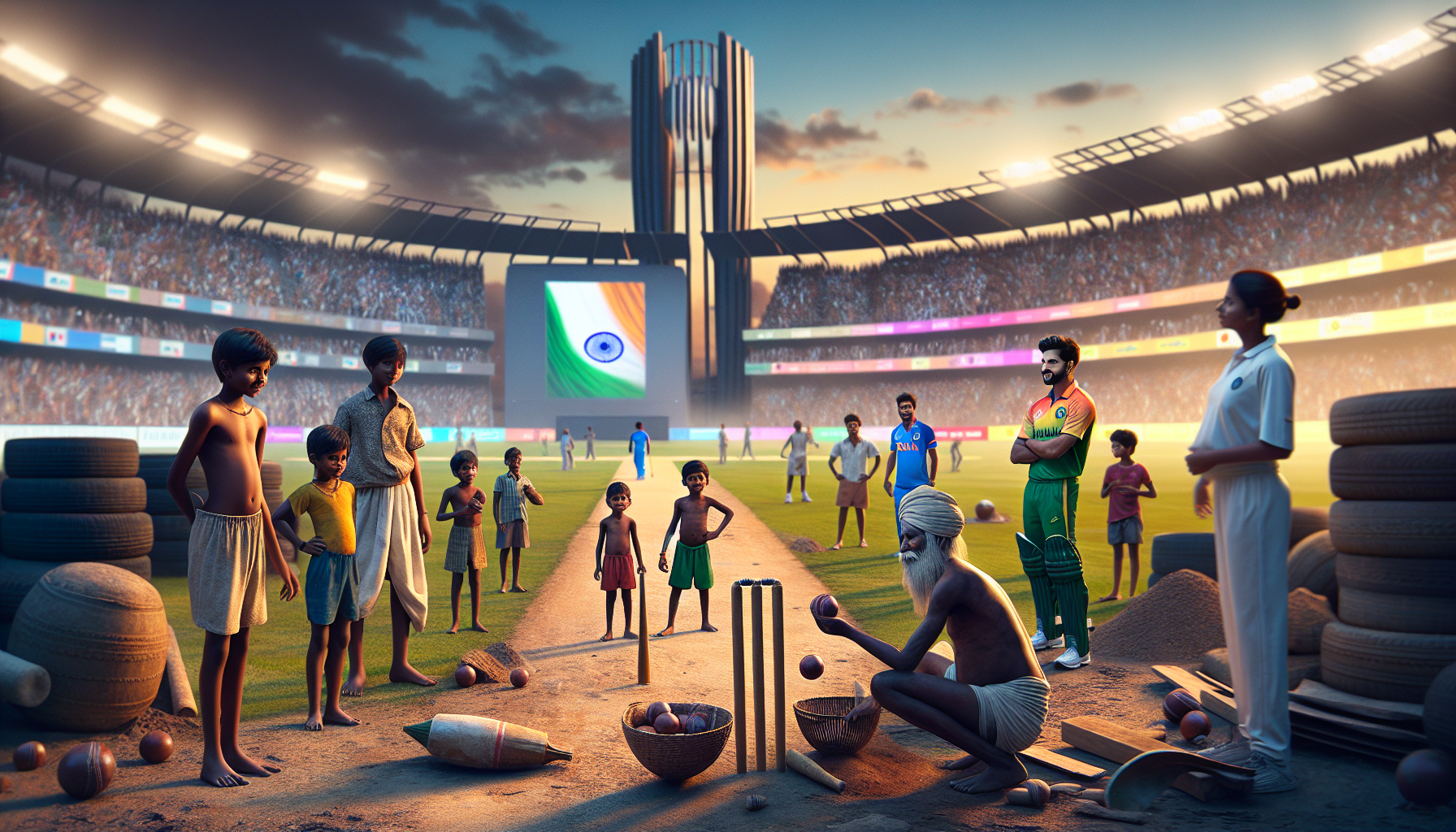
Cricket in India began not in grand stadiums but in narrow lanes, open fields and makeshift pitches where children and neighbors found joy in casual matches. These informal games, often called gully cricket, nurtured raw talent, creativity and an abiding passion that would later feed a national obsession. The journey from balling on streets to donning national colors reflects cultural shifts, organizational growth and a deepening commercial ecosystem that transformed the sport into a behemoth of modern entertainment.
Early Roots and Colonial Influence
Introduced by British colonizers in the eighteenth and nineteenth centuries, cricket quickly took root among local communities. Clubs sprang up in port cities and princely states, where Indian patrons adapted the game to local sensibilities. Through the interwar years, indigenous teams challenged colonial elites, and by independence, cricket had become a platform for expressing regional pride and modern aspirations. Legendary early players laid foundations that later generations would build upon, blending technique with a unique flair.
Post-Independence Growth and Icons
The decades after independence saw the emergence of household names who inspired millions. From Vijay Merchant and Vinoo Mankad to the era-defining exploits of Sunil Gavaskar, Kapil Dev and Sachin Tendulkar, Indian cricket developed heroes whose records and personalities shaped public imagination. These players not only achieved sporting glory but also influenced coaching systems, talent scouting and a growing network of domestic competitions that elevated standards across regions.
The Rise of the Indian Premier League
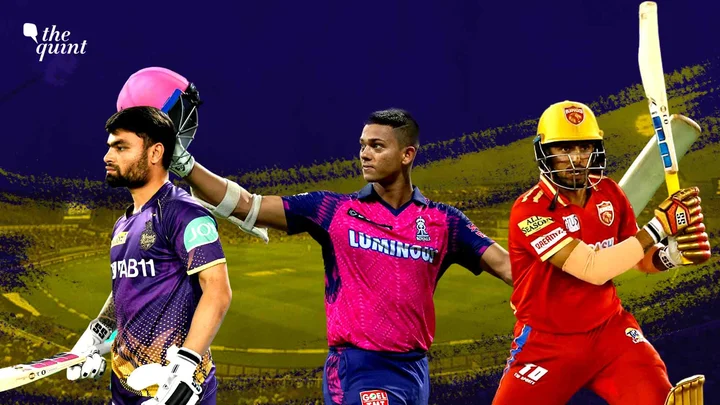
Launched in 2008, the Indian Premier League revolutionized cricket’s economics and audience reach. Combining franchise models, celebrity ownership and a fast-paced Twenty20 format, the IPL attracted global talent and multimedia attention. It created lucrative opportunities for players, expanded grassroots programs and introduced data analytics, coaching specialists and brand-driven marketing to mainstream cricket. Television ratings soared and stadiums brimmed as fans embraced city allegiances and a festival-like atmosphere. Critics cautioned about commercialization, but many acknowledge that the IPL accelerated infrastructure investment and professional pathways that strengthened India’s position on the world stage.
Grassroots to Global Impact
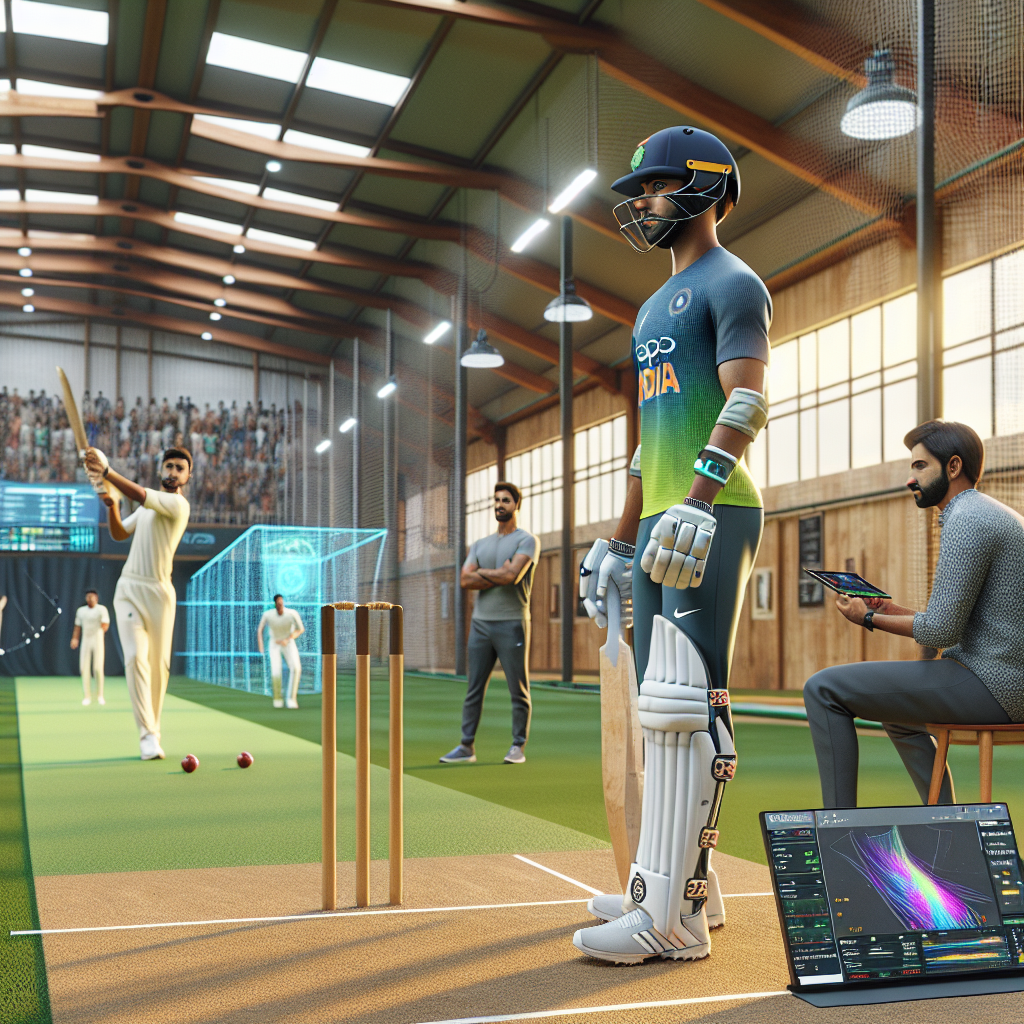
Investment in academies, scouting and school competitions widened the talent pool. Modern training centers produced players equipped with fitness regimes, technical coaching and psychological support previously unavailable. The Board of Control for Cricket in India (BCCI) expanded domestic tournaments and broadcasting rights monetized the game, funneling resources into development programs. As a result, India fields teams competitive in all formats, contributes coaches and administrators internationally, and influences cricketing governance through a blend of commercial muscle and passionate fan culture.
Iconic Moments and Future Directions
Indian cricket’s evolution reflects a broader social story of aspiration, innovation and global engagement. Memorable victories, historic series and transformative leaders have marked progress, while the intimate culture of street cricket continues to feed dreams. Looking forward, balancing commercialization with grassroots access, investing in women’s cricket and nurturing the next generation will determine how India sustains its leadership. The sport remains a living bridge between neighborhoods and nations, promising fresh talent and narratives that will keep millions watching with hope and pride.