Cricket field positions represent strategic elements determining match outcomes through tactical placements and defensive formations. Understanding field positioning enhances tactical appreciation revealing cricket’s strategic complexity beyond individual skills.
Standard Field Position Names
Cricket features over 35 distinct fielding positions each serving specific tactical purposes. Names like silly point, gully, and deep backward square leg confuse newcomers but carry precise meaning for experienced players. Learning position terminology represents fundamental cricket education.
Traditional position names evolved through cricket history reflecting English origins and cultural development. Some names seem peculiar to modern audiences but remain standard cricket vocabulary worldwide. This terminological consistency enables global cricket communication.
Close Catching Positions
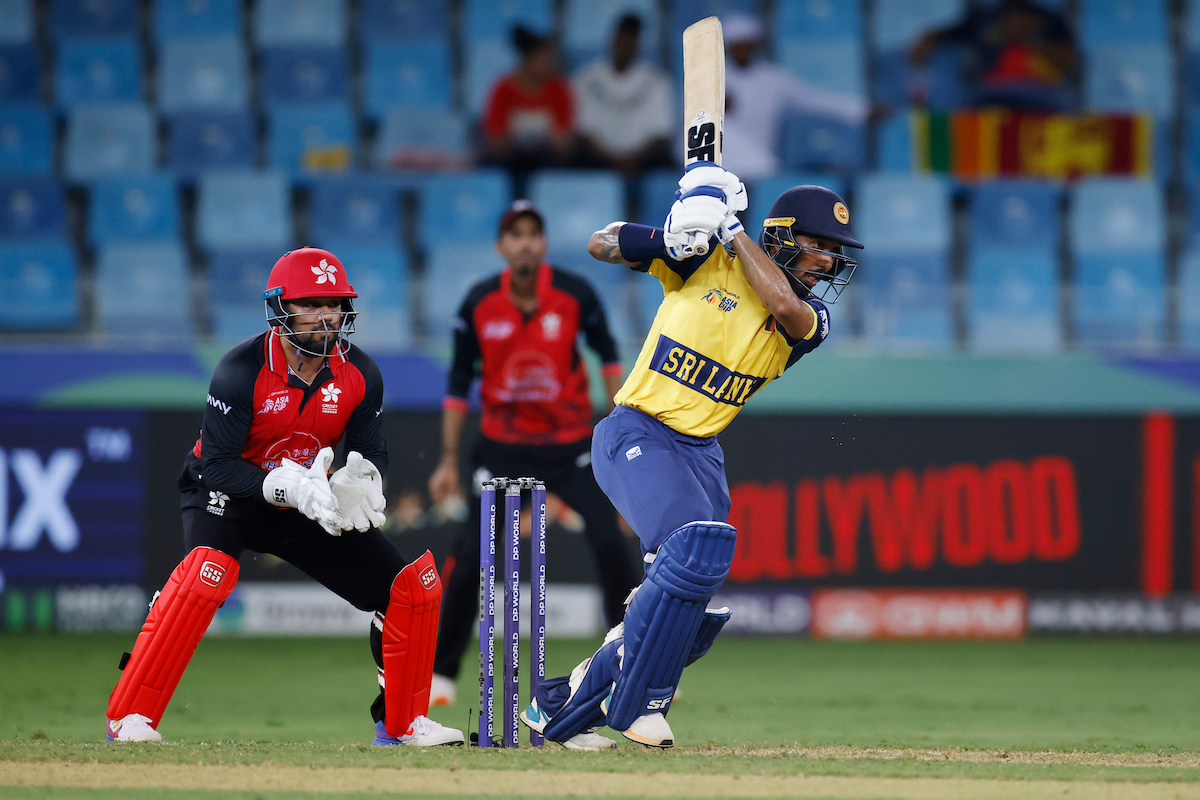
Slip fielders position beside wicket-keeper catching edges from defensive shots. Multiple slips create cordon formations maximizing catching opportunities. Slip fielding requires exceptional reflexes and concentration throughout innings.
Short leg and silly point positions provide close catching for spin bowling. These dangerous positions demand courage as fielders stand extremely close to batsmen. Protective equipment including helmets becomes essential for safety.
Boundary Fielders
Deep fielders patrol boundaries preventing sixes and restricting fours. Strategic boundary positioning balances saving runs against wicket-taking opportunities. Captains constantly adjust boundary placements responding to batsmen’s strengths.
Fine leg and third man positions specifically protect against leg-side and off-side boundaries respectively. These positions become crucial during defensive bowling phases. Athletic fielders covering ground quickly prove invaluable.
Attacking vs Defensive Fields
Attacking fields feature multiple close catchers prioritizing wickets over run prevention. This aggressive approach suits confident bowling performances and match situations requiring breakthroughs. However, attacking fields risk expensive boundaries if bowling loses accuracy.
Defensive fields spread fielders protecting boundaries while conceding singles. This conservative approach suits protecting leads or containing dangerous batsmen. However, defensive fields reduce dismissal chances allowing batsmen settling comfortably.
Format-Specific Field Settings
Test cricket traditionally features more attacking fields with multiple slips and close catchers. The unlimited overs format permits patient wicket-taking approaches. However, modern Test cricket increasingly features defensive fields protecting against aggressive batting.
Limited-overs cricket emphasizes boundary protection during powerplays and death overs. Ring fields prevent singles during middle overs building pressure through dot balls. These tactical variations create format-specific fielding specializations.
Strategic Field Adjustments
Successful captains constantly adjust fields responding to batsmen’s tendencies and match situations. Recognizing batsmen’s strengths enables strategic positioning exploiting weaknesses. This reactive captaincy demonstrates tactical intelligence and observational skills.
However, excessive field changes appear reactive and desperate. Maintaining strategic plans despite occasional boundaries demonstrates confidence. Balancing consistency against adaptability represents captaincy art form.
Reading Batsmen Patterns
Studying batsmen’s scoring patterns reveals optimal field placements. Heat maps showing where batsmen score runs inform defensive positioning. This analytical approach supplements traditional intuitive field setting.
However, over-reliance on statistics risks predictability allowing batsmen anticipating fields. Balancing data-driven decisions against intuition creates optimal field setting approaches. This integration represents modern cricket’s analytical evolution.
Fielding Regulations
Cricket laws regulate minimum fielders within restricted areas during powerplays. These regulations prevent excessively defensive fields maintaining entertainment value. Understanding fielding restrictions represents essential tactical knowledge.
Penalty runs punish teams breaching fielding regulations. These sanctions discourage rule violations maintaining fair competition. However, occasional accidental breaches occur requiring umpire judgment.
Communication and Coordination
Effective fielding requires constant communication between captain, bowlers, and fielders. Clear instructions prevent confusion ensuring everyone understands their positioning and responsibilities. This communication maintains fielding efficiency.
Fielders suggesting position adjustments based on grass conditions or batsmen observations demonstrates proactive engagement. However, excessive chatter distracts from concentration. Balancing communication against focus represents fielding challenge.
Training Field Awareness
Developing field position awareness requires studying positioning principles and situational applications. Young players learning standard positions accelerates tactical understanding. This foundational knowledge enables intelligent fielding discussions.
Video analysis showing successful field placements educates about tactical positioning. Understanding why specific fields succeed teaches strategic thinking beyond memorized positions. This educational approach develops cricket intelligence.
Conclusion
Cricket field positions represent tactical chess pieces captains manipulate seeking competitive advantages through strategic placements. Understanding fielding positions enhances cricket appreciation revealing strategic depth beyond surface observations. Mastering field positioning represents essential cricket knowledge benefiting players, captains, and educated spectators analyzing matches tactically.