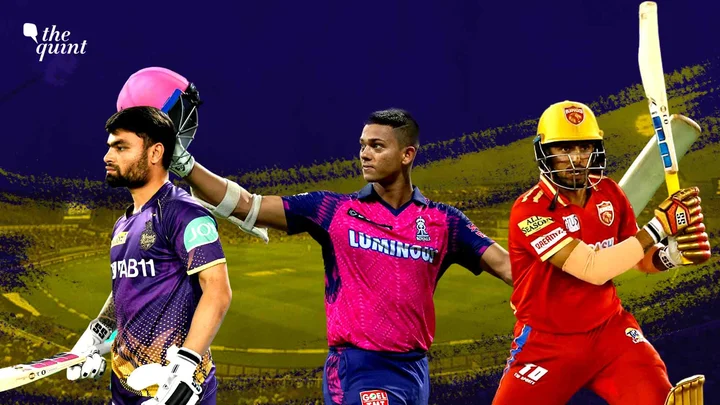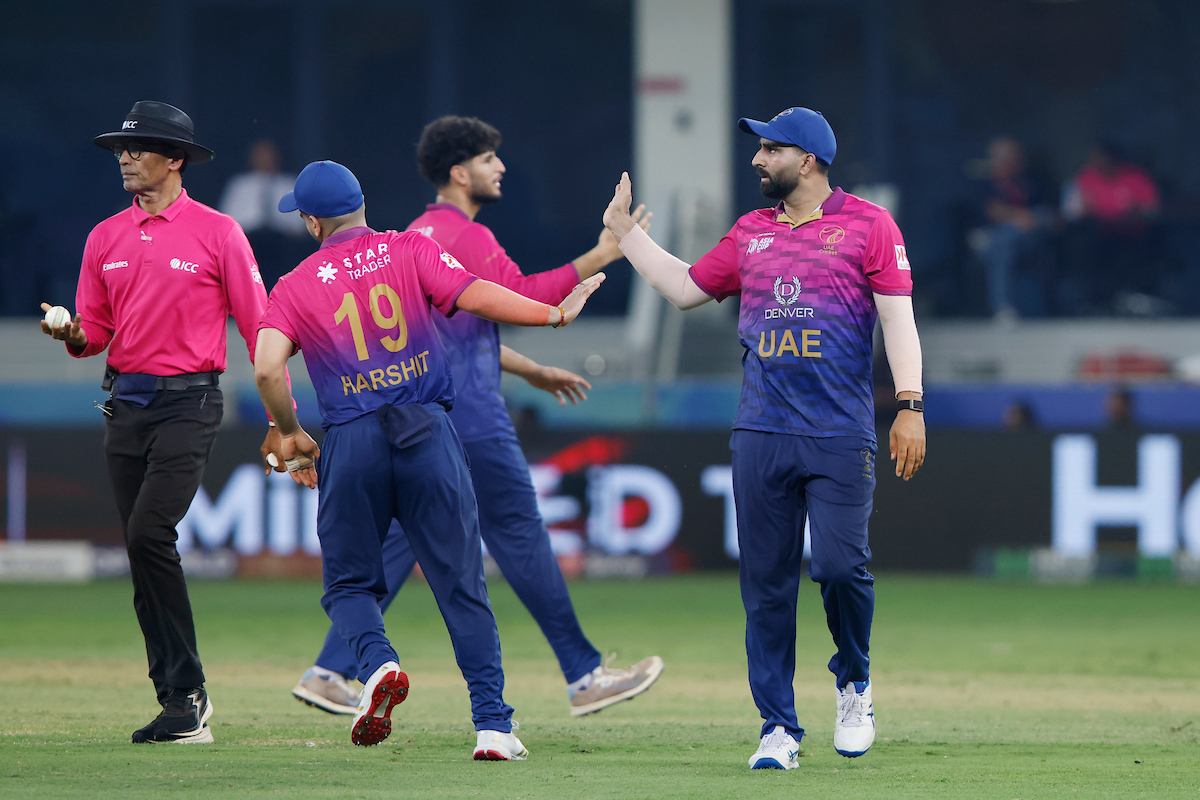
Cricket partnerships represent collaboration’s power producing performances exceeding individual capabilities. Great partnerships demonstrate teamwork, communication, and mutual support creating match-winning stands becoming cricket folklore.
Opening Partnerships Foundation
Opening partnerships establish innings foundations through early momentum building or survival against hostile bowling. Great opening pairs complement each other through different styles and strengths. This compatibility creates stable platforms supporting team totals.
Classic opening combinations feature aggressive stroke-maker partnering defensive accumulator. This balance maintains scoring pressure while protecting wickets. Understanding roles within partnerships maximizes collective effectiveness.
Middle-Order Rescues
Middle-order partnerships often emerge during crises rescuing teams from precarious positions. These pressure situations demand exceptional mental strength and technical adaptability. Successful rescue partnerships display courage and determination.
Building partnerships during difficult periods requires communication and mutual support. Partners encourage each other while making tactical running adjustments. This collaboration creates momentum reversing match trajectories.
Lower-Order Defiance
Tail-end partnerships frustrate opponents through unexpected resistance. These partnerships often feature specialist batsmen protecting tail-enders through intelligent strike rotation. The psychological impact demoralizes bowling sides expecting quick conclusions.
Historic tail-end stands achieving draws or unlikely victories become legendary demonstrating cricket’s unpredictability. These partnerships showcase mental fortitude and technical adaptability under extreme pressure.
Record-Breaking Stands
Cricket history celebrates numerous record partnerships across different formats and match situations. These statistical achievements represent sustained excellence and perfect partnership dynamics. Record stands often feature dominant individual performances supported by steady partners.
Pursuing partnership records creates additional pressure beyond match situations. Balancing record ambitions against team requirements demonstrates professional priorities. The greatest partnerships prioritize team success while achieving personal milestones.
Communication Importance
Effective partnerships require constant communication about running, shot selection, and opposition tactics. Partners keep each other focused while providing encouragement during difficult periods. This dialogue maintains partnership cohesion and strategic alignment.
Non-verbal communication through body language and field awareness supplements verbal exchanges. Experienced partners develop intuitive understanding reducing verbal communication necessity. This partnership chemistry emerges through extensive collaboration.
Running Between Wickets
Excellent running converts singles into twos while avoiding run-out risks. Partners must understand each other’s calling preferences and running speeds. This coordination requires practice and trust developing through partnership experience.
Aggressive running pressures fielding teams creating opportunities through forced errors. However, risky running produces dismissals undermining partnerships. Balancing aggression against security requires judgment and communication.
Tactical Adjustments
Successful partnerships adapt tactics based on match situations and opposition strategies. Partners discuss field placement changes and bowling variations adjusting responses accordingly. This tactical flexibility maximizes partnership effectiveness.
Recognizing momentum shifts enables proactive tactical changes rather than reactive responses. Experienced partners anticipate opposition adjustments preparing countermeasures. This strategic thinking separates good partnerships from great ones.
Psychological Support
Partners provide crucial psychological support during challenging periods. Encouraging words and positive body language maintain confidence preventing panic. This emotional support represents underappreciated partnership element.
Managing partner dismissals requires mental resilience preventing concentration lapses. Maintaining focus despite emotional reactions demonstrates professional maturity. This psychological control protects remaining batsmen from collapse situations.
Building Momentum
Great partnerships build momentum through accelerating scoring rates while maintaining control. This gradual pressure increase demoralizes bowling teams creating breakthrough opportunities. Momentum management represents sophisticated partnership skill.
However, premature acceleration risks unnecessary dismissals. Recognizing appropriate momentum-building moments requires experience and match awareness. This timing judgment determines partnership success.
Conclusion
Cricket partnerships demonstrate collaboration’s power producing performances transcending individual capabilities through communication, tactical intelligence, and mutual support. Great partnerships achieve legendary status through match-winning contributions and record-breaking achievements. Understanding partnership dynamics reveals cricket’s team nature despite individual statistical focus, emphasizing cooperation’s crucial role in cricket success.