In recent years, Indian cricket has witnessed a quiet revolution in how players train, recover, and prepare for competition. Technologies that once seemed futuristic — advanced data analytics, virtual reality (VR) simulations, wearable sensors, and AI-driven coaching systems — are now embedded in the daily routines of elite and emerging cricketers across the country. This article explores how these innovations have reshaped talent development and performance optimization in India, tracing the practical applications, benefits, and cultural shifts that accompany a sport in the midst of a technological leap.
Data Analytics: Turning Numbers into Strategic Advantage
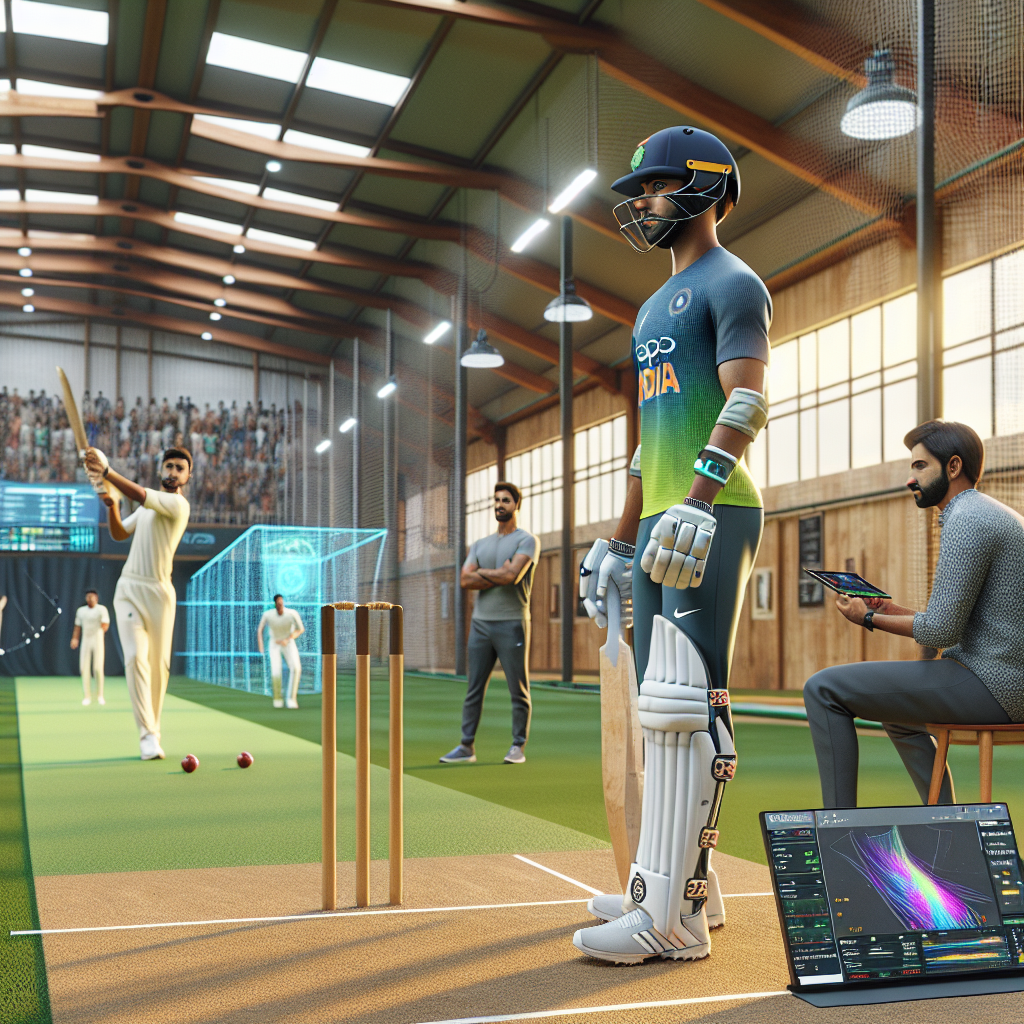
Data analytics has become the backbone of modern cricket preparation in India. Teams and academies collect vast quantities of data from match footage, ball-tracking systems, and wearable devices to quantify everything from bat swing trajectories to bowl release points and fielding efficiency. Analysts use machine learning models to detect patterns — for instance, a batsman’s vulnerability to short-pitched deliveries or a bowler’s tendency to drift across the crease under fatigue. These insights inform personalized training plans, match strategies, and opposition scouting reports.
Personalized Performance Profiles
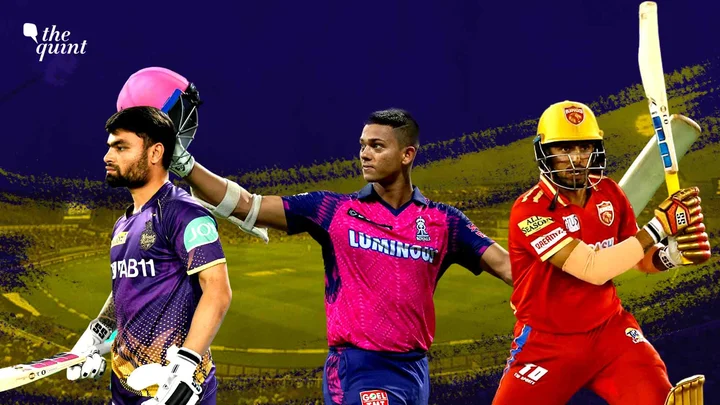
One of the most valuable outcomes of analytics is the creation of individualized performance profiles. These profiles blend physiological data (heart rate variability, sleep quality), biomechanical metrics (bat speed, hip rotation), and situational statistics (strike rate in powerplay overs, dot-ball percentage). Coaches use these profiles to prescribe targeted drills, monitor load management, and determine optimal match roles. In India’s domestic circuits and IPL franchises, such profiles aid selection committees and help fast-track young talent by highlighting specific, coachable areas rather than relying solely on raw numbers like runs or wickets.
From Big Data to Practical Coaching
Translating massive datasets into actionable coaching guidance requires a collaborative ecosystem. Analysts, physiotherapists, and coaches meet regularly to interpret trends and adjust microcycles of training. For example, if ball-tracking reveals a bowler’s seam position is inconsistent in the death overs, a practice plan might combine targeted biomechanics sessions with scenario-based net bowling under simulated crowd noise. The synergy between data and traditional coaching enhances decision-making while preserving the human elements of mentorship and intuition.
Virtual Reality: Safe, Repeatable, and Immersive Practice
Virtual reality has emerged as a powerful tool in cricket training, especially for cognitive and perceptual skills. VR systems recreate match scenarios with high fidelity, allowing batsmen to face simulated deliveries from specific bowlers or bowlers to practice variations against virtual lineups. For Indian players dealing with varied international conditions, VR offers repeatable exposure to environments they might rarely encounter in domestic cricket, such as the extra pace and bounce of Australian pitches or the swing-friendly atmosphere in England.
Improving Decision-Making Under Pressure
Beyond technical refinement, VR helps players refine split-second decision-making. Batsmen can practice shot selection against deceptive deliveries without the physical wear of facing hundreds of live balls. Fielders and wicketkeepers can rehearse reaction times and positioning through scenarios that mimic high-pressure match moments. Mental skills trainers integrate VR sessions with mindfulness and visualization techniques, helping players build resilience and situational confidence ahead of crucial fixtures.
Accessibility and Scalability
While top-tier Indian teams have invested in bespoke VR labs, portable VR systems are democratizing access at state academies and private training centers. Affordable, high-resolution headsets paired with cloud-based delivery of scenarios allow a wider cohort of players to benefit. This scalability accelerates a broader uplift in the talent pipeline, enabling promising prospects from smaller towns to train with the same virtual tools that once existed only for international stars.
AI-Driven Coaching: Augmenting Human Expertise
Artificial intelligence is redefining coaching workflows by automating routine analysis and offering predictive insights. AI models can flag technical flaws in batting stances, recommend optimal bowling lengths against specific batsmen, and predict injury risk based on workload patterns. These systems act as intelligent assistants, surfacing the most relevant information for coaches so they can focus on nuanced teaching and relationship-building with players.
Ethics, Trust, and the Coach–AI Relationship
The introduction of AI raises questions about trust and accountability. Coaches must understand AI recommendations and weigh them against contextual knowledge. Successful programs in India emphasize interpretability — choosing AI tools that provide explainable reasons for suggestions rather than black-box outputs. This approach helps maintain coaches as the ultimate decision-makers while leveraging AI to enhance accuracy and reduce cognitive load during hectic tournament schedules.
Enhancing Talent Identification
AI also improves talent scouting by analyzing longitudinal data from junior competitions and identifying players with statistically favorable development curves. Such systems can sift through thousands of performances to shortlist candidates who might be overlooked by traditional scouting networks. For a cricket-mad nation like India, where raw talent sometimes hides in remote regions, AI-facilitated scouting widens the aperture of opportunity.
Integration Challenges and Cultural Shifts
Adopting advanced technology has not been frictionless. Costs, infrastructure gaps, and resistance to change present hurdles, especially at the grassroots. Additionally, there is a cultural adaptation required: coaches must become data-literate, players must trust analytical feedback, and administrators must invest in sustainable maintenance. Nonetheless, successful case studies — IPL franchises, national camps, and state academies — provide models that balance innovation with tradition.
The real promise of technology in Indian cricket lies less in flashy gadgets and more in the synthesis of human insight with precise measurement. When analytics, VR, and AI are integrated thoughtfully, they accelerate learning loops, reduce injury risk, and unlock performance margins that can decide matches and careers. As infrastructure becomes more accessible and stakeholders embrace a culture of evidence-based training, the emerging generation of Indian cricketers will enter the field better prepared, smarter in strategy, and more resilient under pressure. This shift does not replace the instincts that make cricket a human drama; it amplifies them, channeling data and immersive practice into stronger, more adaptable athletes who can thrive in cricket’s evolving global landscape.